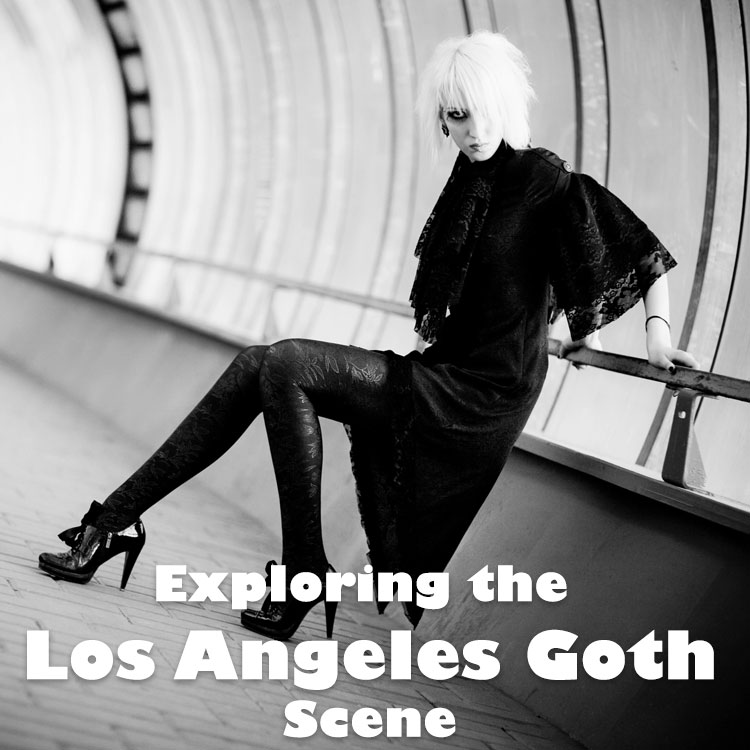

Why Goth Fashion Never Dies: A Style Guide for Modern Dark Souls

Goth fashion stands strong with its dark esthetics and morbid themes. The distinctive style caught my attention because it keeps its cultural relevance while other trends vanish. Victorian mourning attire, music subcultures, and iconic style figures shaped this unique fashion movement.
Bauhaus sparked something special in August 1979 with ‘Bela Lugosi’s Dead’ – the first gothic record that started it all. The style grew into an array of substyles over time. Black dyed hair and dark clothes create that dramatic silhouette everyone knows. The movement isn’t underground anymore. Top designers like Alexander McQueen, Anna Sui, and Rick Owens brought goth elements to high-fashion runways.
This piece takes you through gothic esthetics’ roots, the musicians behind the look, and the icons who made it what it is. You’ll find practical tips to add goth elements to your modern wardrobe. The detailed breakdown helps you direct your way through this lasting subculture with confidence, whether you’re a devoted fan or just want to explore your darker side.
The roots of gothic fashion
Gothic fashion’s dark roots stretch back more than a hundred years. Today’s black-clad esthetic isn’t just something new. It’s a mixture of historical mourning customs, early film personalities, and a unique philosophy that finds beauty in the macabre.
Victorian mourning attire and symbolism
Victorian mourning practices are the roots of gothic style. Cintra Wilson points out, “The origins of contemporary goth style are found in the Victorian cult of mourning”. Death became part of daily life back then rather than a forbidden topic. Queen Victoria wore only black after Prince Albert died in 1861. The upper classes were happy to follow her example.
Victorian women had to follow a strict three-stage mourning process:
- Deep Mourning: Plain black garments made of dull, non-reflective fabrics like crepe, often with heavy veils
- Second Mourning: Subtle embellishments and jet jewelry became acceptable
- Half Mourning: Muted colors such as gray or lavender could replace black
The influence of Theda Bara and Vampira
Film stars changed gothic esthetics by a lot. Theda Bara, known as “America’s first goth,” created the gothic look in the 1910s with her mysterious persona and distinctive dark eyeshadow. Fox Studios renamed her cleverly (Theda Bara being an anagram for “Arab death”) and created an exotic Egyptian backstory to boost her mystique.
Maila Nurmi’s character Vampira emerged in 1954 and became the life-blood of gothic fashion. Her dramatically corseted waist, sharp eyebrows, and flowing black attire stood out against the popular rockabilly look of the 1950s.
How death and beauty merged in early goth esthetics
The goth subculture creates a unique balance between the macabre and elegance. It first appeared during the Conservative rule of Thatcher and Reagan, showing “pronounced anxiety, self-questioning and insecurity about the future”. The esthetic stood out through its “preoccupation with imagery of death and decadence”, yet turned these dark themes into something visually striking.
Gothic culture ended up celebrating “the beauty in ephemerality”, turning mortality into art. This philosophy suggests that “possibility can take wild life-giving shapes when we learn to embrace death”. Gothic fashion isn’t just about darkness – it finds profound beauty in life’s inevitable end.
The music that shaped the goth look
Music and fashion share a deep connection, but the gothic subculture stands out as their most striking fusion. The quintessential goth esthetic took shape from post-punk Britain’s sound in the late 1970s.
Bauhaus and the birth of goth rock
The gothic fashion we know today came alive in August 1979 with Bauhaus’s release of “Bela Lugosi’s Dead,” which many call the first gothic record. The band shunned the “goth” label, yet their mark remained indelible. Peter Murphy’s gaunt figure and sharp cheekbones made him the living blueprint of the gothic look. His vampire-like grace, adorned with silver crosses and dark jewelry, created a visual style that fans rushed to copy. Daniel Ash, the band’s guitarist, left his mark substantially on goth’s visual language and later became the design inspiration for James O’Barr’s comic “The Crow”.
Siouxsie Sioux and Robert Smith’s visual legacy
Bauhaus might have set the masculine standard, but Siouxsie Sioux broke all rules with her bold, androgynous intensity. Her spiked hair, precise eyeliner, and daring mix of fishnets and leather sparked creativity across genders. She showed amazing control of her space and even faced down hostile crowd members physically.
The Cure’s Robert Smith crafted his signature style—backcombed hair, smudged lipstick, and kohl-rimmed eyes—after nights at London’s gothic clubs. Smith’s look became the movement’s symbol, though he later stepped away from the “goth” label.
The Batcave club and its fashion impact
London’s Batcave club became the melting pot where gothic fashion truly took form in 1982. This Soho spot turned into goth culture’s birthplace, as fans moved under flickering lights in stark black-and-white outfits. The club stood out for its DIY fashion approach—people painted and modified their clothes with whatever they could find.
All but one of goth’s legendary figures passed through the Batcave: Robert Smith, Nick Cave, Siouxsie Sioux, and other pioneers. The club caught the public’s eye after a BBC TV Halloween special, and media outlets started using “Gothic” to describe its unique esthetic.
Icons who defined and redefined goth style
Distinctive individuals with unique looks stand behind every lasting subculture. Gothic fashion has grown through the years, shaped by figures who embodied its esthetic ideals.
Classic icons: Morticia Addams, Bela Lugosi, Nico
Morticia Addams remains the most recognizable gothic silhouette with her tight black dresses, pale skin, and blood-red lips. Anjelica Huston’s portrayal turned the character into fashion royalty. Bela Lugosi’s 1931 tuxedoed Dracula made vampiric elegance the life-blood of gothic style. Nico’s impact on early gothic fashion runs deep – her avant-garde approach inspired goth’s fundamental elements.
Modern muses: Amy Lee, Dita Von Teese, Ellie Rowsell
New icons keep reshaping gothic esthetics for current generations. Vogue calls Evanescence’s Amy Lee “the queen of goth girl style” – she creates her own outfits and even made the dress for the “Going Under” music video. Dita Von Teese adds dark glamor through her vintage-inspired esthetic and feminine approach. Wolf Alice’s Ellie Rowsell shows a subtle interpretation that grew from slip dresses and chunky boots to flowing garments as she gained confidence.
Designers and models who shaped gothic fashion
Rick Owens, known as the “Lord of Darkness,” and Yohji Yamamoto with his all-black tailoring have lifted gothic fashion to high art. Gareth Pugh creates extraordinary pieces that play with form and fabric, attracting celebrities like Beyoncé and Lady Gaga.
How to wear goth fashion today
Getting started with goth fashion doesn’t mean you need to completely change your wardrobe or go over the top. Your dark path and individual expression can shine through carefully selected pieces and esthetics.
Choosing your substyle: trad, romantic, cyber, or pastel
The first step in gothic fashion is picking a substyle that strikes a chord with your personality. Trad Goth features all-black attire with angular eyeliner and sharp silhouettes. Romantic Goth brings in flowing fabrics, corsets, and jewel tones like burgundy and deep purple. Cyber Goth blends industrial elements with neon accents and futuristic goggles. Pastel Goth combines dark themes with softer colors to create a contrast between cute and creepy. Each style gives you unique ways to express yourself while keeping core gothic elements.
Essential wardrobe pieces for a modern goth look
A versatile gothic wardrobe needs some foundation pieces. Start with a little black dress that has lace or corsetry details. Corsets help create dramatic silhouettes, and fishnet stockings add texture. A black leather jacket brings edge to any outfit. Platform boots or combat boots give you an imposing presence. Velvet pieces add luxury, ruffled blouses bring Victorian flair, and mesh tops under structured jackets work great for layering.
Makeup and accessories that complete the esthetic
Gothic makeup is all about contrast and drama. Start with a pale foundation base and add dark eyeshadow in black, gray, or purple. Your eyes need heavy eyeliner—winged or smudged. Dark lipstick in black, deep red, or plum shades works best. Chokers, statement rings with skulls or crosses, and silver or pewter jewelry pull the look together. Your hair can be dark with long, flowing styles or edgy, asymmetrical cuts.
Where to shop for authentic gothic fashion
Specialty retailers like Killstar and Disturbia stock authentic gothic clothing. Thrift stores and vintage shops often hide budget-friendly treasures. Independent designers create unique pieces that stand out from mass-produced items. VampireFreaks and similar online platforms offer curated collections made for the gothic community. Your dark wardrobe needs proper care—hand wash delicate fabrics, store them carefully, and keep leather conditioned.
Conclusion
Gothic fashion is evidence of expressing yourself through darkness. This piece traces the path from Victorian mourning attire to modern interpretations. We can see how this style adapted while keeping its core esthetic principles intact. Musical pioneers like Bauhaus and Siouxsie Sioux shaped what started as a post-punk rebellion into a sophisticated fashion statement.
The sort of thing I love about gothic fashion is its versatility. Gothic fashion speaks to everyone drawn to its darker allure – whether you connect with traditional gothic esthetics, romantic flowing silhouettes, futuristic cyber elements, or softer pastel variations. This adaptability explains why gothic style has outlived countless fashion trends that briefly captured attention and vanished.
The iconic figures who defined gothic fashion show its lasting impact across generations. From Morticia Addams to Amy Lee, this style keeps reinventing itself while staying true to its roots. Gothic fashion’s beauty comes not just from its dramatic look but from its philosophy of finding elegance in darkness.
Note that authenticity matters most if you want to embrace your inner goth. You don’t need to wear black from head to toe right away. Start with pieces that appeal to your personal style instead. Gothic style remains a powerful way to express yourself for those who appreciate its depth and drama, even as mainstream fashion continues to change.
Gothic fashion goes beyond just clothing. It represents a worldview that sees beauty in shadows, celebrates being unique, and questions standard norms. That’s why gothic fashion lives on despite the decades since it emerged. It keeps evolving, inspiring, and equipping those brave enough to embrace their darker side.
FAQs
Q1. What are the key elements of gothic fashion? Gothic fashion typically features dark colors (primarily black), dramatic silhouettes, and unique textures. Key elements include leather jackets, corsets, fishnet stockings, platform boots, and dark makeup. The style often incorporates Victorian-inspired pieces, lace details, and statement accessories like chokers and silver jewelry.
Q2. How has gothic fashion evolved over time? Gothic fashion has evolved from its post-punk roots in the late 1970s to encompass various substyles today. It began with bands like Bauhaus and Siouxsie and the Banshees, then expanded to include romantic, cyber, and pastel goth variations. While maintaining its core dark esthetic, gothic fashion has adapted to incorporate modern trends and high-fashion influences.
Q3. Can anyone wear gothic fashion? Yes, gothic fashion is accessible to anyone interested in exploring a darker esthetic. There are various substyles within gothic fashion, allowing individuals to choose elements that resonate with their personal taste. Whether you prefer a traditional all-black look or a more subtle incorporation of gothic elements, the style can be adapted to suit different preferences and comfort levels.
Q4. Where can I find authentic gothic clothing? Authentic gothic clothing can be found at specialty retailers like Killstar and Disturbia. Thrift stores and vintage shops often have hidden gems for budget-friendly options. Online platforms such as VampireFreaks offer curated collections for the gothic community. Supporting independent designers is also a great way to find unique pieces that stand out from mass-produced items.
Q5. How can I incorporate gothic elements into my everyday style? To incorporate gothic elements into your everyday style, start with small additions like dark nail polish, a black leather jacket, or statement jewelry featuring skulls or crosses. Experiment with darker makeup, such as smoky eyes or deep lip colors. Gradually introduce more gothic pieces like lace tops, velvet accessories, or platform shoes. Remember, gothic fashion is about self-expression, so choose elements that feel authentic to you.
References
[1] – https://en.wikipedia.org/wiki/Gothic_fashion
[2] – https://www.attitudeclothing.co.uk/blog/gothic-fashion-history-everything-you-need-to-know/
[3] – https://ejmoonauthor.substack.com/p/victorian-mourning-wear-a-primer
[4] – https://daily.jstor.org/goth-wont-die-but-it-wants-a-funeral-anyway/
[5] – https://theconversation.com/a-brief-history-of-goth-fashion-from-all-black-to-pastels-214906
[6] – https://inchoobijoux.com/blogs/inchoo-blog/this-history-of-goth?srsltid=AfmBOop3syHHc2-Cz_HKHdECb6f0VGkTQY9aVN4bD9DSwt90_QCp-A5t
[7] – https://medium.com/@SarahSunfire/death-as-life-force-a-tribute-to-goth-culture-d456010b8696
[8] – https://www.thedarkattitude.com/blog/music-gothic-fashion-bands?srsltid=AfmBOooImi7pCpOyrP-tIf3VwjTmkDZo8zonMZsHFYzmCEuO688zrtaY
[9] – https://post-punk.com/beautiful-men-goth-and-postpunk/
[10] – https://www.cnn.com/2023/10/11/style/lol-tolhurst-the-cure-goth-history-book-cec
[11] – https://faroutmagazine.co.uk/the-relationship-siouxsie-sioux-and-robert-smith/
[12] – https://en.wikipedia.org/wiki/Goth_subculture
[13] – https://www.dazeddigital.com/fashion/article/24865/1/siouxsie-sioux-the-batcave-and-the-legacy-of-80s-goth
[14] – https://www.whatisgoth.com/pages/The-Batcave.html