
Difference Between Emo and Goth: Fashion, Music & Mindset Explained

The difference between goth and emo often confuses people, but these subcultures are more distinct than you might think. The punk rock scene of the late 1970s and early 1980s gave birth to both movements, and they shaped global art and culture in unique ways. But the goth vs emo difference runs deeper than black clothing and alternative music. Goth emerged as a post-punk movement rooted in Victorian esthetics and external artistic expression. Emo (emotional hardcore) centers on internal feelings and confessional lyrics. The emo and goth difference extends to fashion, music and mindset. This gothic vs emo comparison breaks down what’s the difference between goth and emo in style, sound and philosophy, so you can understand these influential subcultures better.
What is Emo and What is Goth: Understanding the Basics
Defining Emo: Emotional Hardcore Origins
Emo sprang from Washington D.C.’s hardcore punk scene during the 1980s, where the term “emocore” (emotional hardcore) described bands that experimented with vulnerable, confessional lyrics. Rites of Spring pioneered this sound and introduced personal expression and poetic lyricism to punk’s aggressive framework. Guy Picciotto’s raw vocals on tracks like “For Want Of” exemplified the intense emotional delivery that defined early emocore. Bands like Embrace and Beefeater followed during the 1985 Revolution Summer movement. They challenged hardcore’s violence and created space to reflect on deeper themes. The music developed through the 1990s with acts like Sunny Day Real Estate and Jimmy Eat World. It reached mainstream success in the early 2000s through My Chemical Romance, Fall Out Boy, and Panic! at the Disco eventually. The emo and goth difference starts with this focus on internal emotional authenticity.
Defining Goth: Post-Punk Gothic Rock Movement
Goth emerged from the late 1970s post-punk scene, especially when you have the United Kingdom as the backdrop. Music critics applied the term “gothic” to describe Siouxsie and the Banshees’ dark sound as early as 1978. Bauhaus released “Bela Lugosi’s Dead” in 1979, a nine-minute track with echo effects and brooding lyrics that many think about as the first authentic goth release. The subculture became music-based. Listening to goth music was fundamental to the identity. Bands like Joy Division, The Cure, and Sisters of Mercy shaped the genre with hard guitars and ominous soundscapes. Goth drew inspiration from nineteenth-century romanticism and Victorian esthetics, while emo focused inward. The movement incorporated interests beyond music. Gothic literature, medieval history, and horror films all played a role.
The Common Punk Rock Ancestry
Both subcultures inherited punk’s DIY principles, independent labels, and rebellious spirit. Punk rock’s late 1970s explosion splintered into different scenes. Goth and emo represented distinct branches of that cultural tree. This shared ancestry explains some surface similarities in the goth vs emo comparison.
Why People Confuse Emo and Goth
People confuse these movements because both feature black clothing, heavy makeup, and alternative esthetics. They emerged around the same timeframe and reject mainstream norms. But what’s the difference between goth and emo becomes clear through their musical foundations and emotional expressions.
Fashion Differences: Emo vs Goth Style
Goth Fashion: Victorian and Dark Romantic Elements
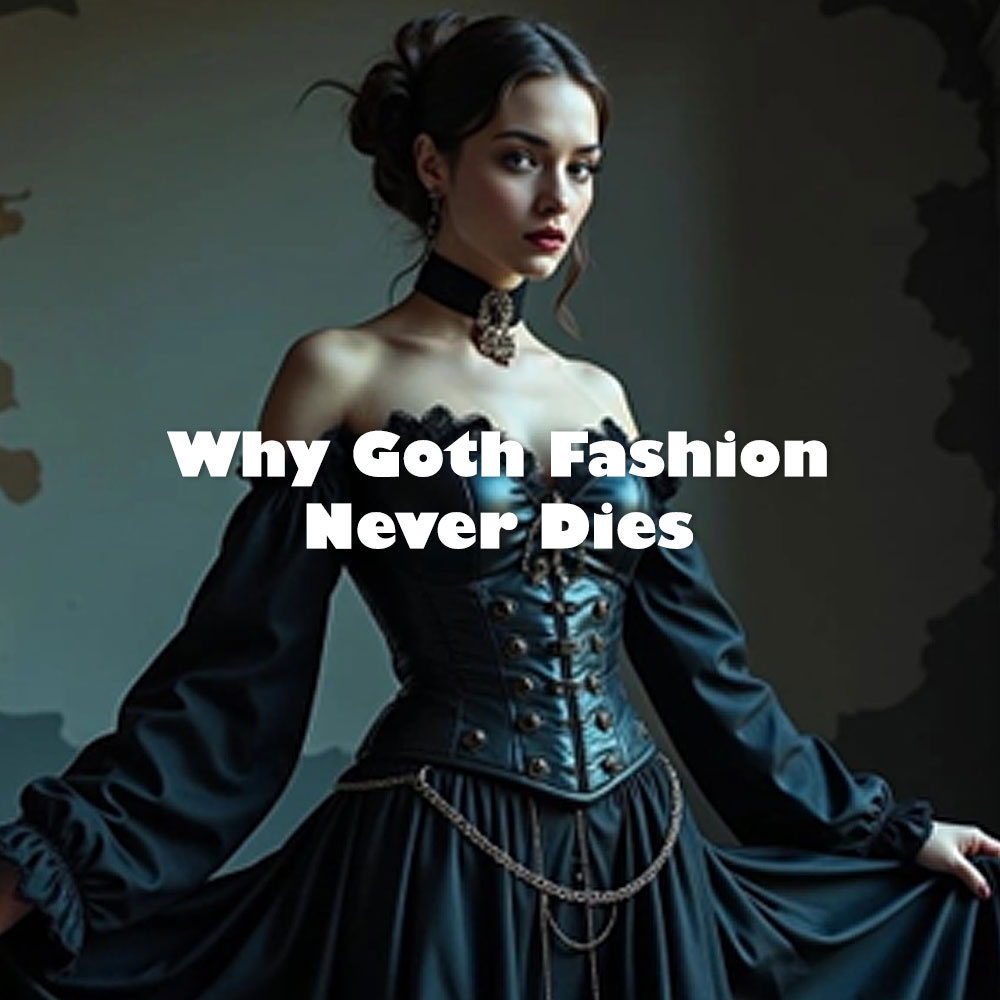
Goth fashion draws heavily from Victorian mourning clothes and nineteenth-century romanticism [1]. The style features corseted shaping, flowing velvet gowns, lace dresses and poet shirts with ruffled cuffs [2]. Romantic goth favors softer silhouettes with dark, dramatic elegance rather than rigid historical recreation [2]. Texture plays a starring role in goth esthetics and mixes leather jackets with velvet skirts, lace tops and fishnet layers [3]. Designers like Dilara Findikoglu and Ann Demeulemeester continue this tradition in their collections [1].
Emo Fashion: Casual Band Tees and Skinny Jeans
Emo style centers on emotional expression through available clothing [4]. Band tees with My Chemical Romance, AFI or Paramore graphics serve as wardrobe staples and typically come with bold designs and tight fits [4]. Skinny jeans became inseparable from the esthetic. They often appear distressed and paired with belts and pins [4]. The look adopts casual pieces like hoodies layered over band shirts and creates a more approachable alternative esthetic than the formal elements of goth [5].
Color Palettes: All Black vs Black with Color Accents
Black dominates both styles, but goth uses it as a foundation for strategic color accents. Traditional goth incorporates deep red to evoke blood and romance, royal purple to represent mysticism and stark white to create dramatic contrast [3]. Emo adopts bright color without much of either for playful touches. Neon accents on black hoodies and vibrant purples add energy [4]. Color palette variations include deep purple, crimson red and teal blue in emo esthetics [6].
Makeup and Hair: Dramatic Looks in Different Ways
Goth makeup features razor-sharp cheekbone contours, matte finishes and theatrical elements like black tears [7]. Traditional goth prioritizes architectural precision with intense winged eyeliner and stark highlight-shadow contrasts [7]. Emo makeup emphasizes dark eyeliner, eye shadow and lipstick with occasional smoky blues and neon purples [4].
Accessories: Studs and Chains vs Lace and Velvet
Goth accessories lean toward silver pieces with symbolic elements, lace chokers and jewelry with dark stones [2][8]. Skulls, crosses and spiders appear in gothic jewelry often [8]. Emo accessories include studded wristbands, chokers and DIY elements like safety-pin earrings and hand-stitched patches [9]. The contrast illustrates the emo vs goth style difference: tactile hardware versus romantic ornamentation.
Music Differences: Sound, Lyrics, and Emotional Expression
Goth Music: Gothic Rock Bands and Dark Soundscapes
Gothic rock emerged from post-punk in the late 1970s. The genre featured dramatic melancholic arrangements with deep, gloomy sound in minor keys [10]. Bands incorporated scything guitar patterns, high-pitched basslines and hypnotic drum beats [11]. Bauhaus released “Bela Lugosi’s Dead” in 1979, a stripped-down track with minimal distorted guitar and haunting deep vocals that catalyzed the first goth wave [12]. The sound featured heavy reverb, low-tuned guitars and basses, synths and drum machines [13]. Sisters of Mercy created harder gothic rock with Leonard Cohen influences and industrial drum machine elements [11]. The Cure’s trilogy—Seventeen Seconds, Faith and Pornography—cemented the genre with oppressive dispirited atmospherics [11].
Emo Music: Emotional Hardcore to Pop Punk Development
Emo originated in the mid-1980s Washington D.C. hardcore punk scene as bands experimented with chaotic music patterns and personal expression [10]. Rites of Spring pioneered emotional hardcore and focused on relationships, trauma and difficult topics rather than political rage [14]. The genre developed in the 1990s and incorporated indie rock elements through Sunny Day Real Estate and pop punk through Jimmy Eat World [10]. My Chemical Romance, Fall Out Boy and Panic! at the Disco brought dramatic flair and anthemic melodies to mainstream audiences by the early 2000s [15]. This period marked emo’s explosion into cultural phenomenon and achieved gold and platinum album status [16].
Lyrical Themes: External Mystery versus Internal Feelings
Goth lyrics revolve around external darkness and draw from Gothic literature, art and supernatural mysticism [17]. Themes include religious symbolism, morbidity and longing for darkness with dramatic sounds [13]. The genre celebrates mortality and otherworldly preoccupations through reflective yet extroverted methods [10]. Emo lyrics focus on internal emotional expression and feature confessional and personal themes [17]. The genre explores heartbreak, existential dilemmas, teenage angst and mental health struggles [18]. Emo artists craft vivid imagery around personal experiences, pain, loss and loneliness [17]. This lyrical difference defines what separates emo and goth: external mystery versus internal feelings.
Iconic Bands: Bauhaus and Siouxsie versus My Chemical Romance and Fall Out Boy
Bauhaus pioneered gothic rock with their dark image and gloomy sound. They mixed dub, glam rock, psychedelia and funk [19]. Siouxsie and the Banshees became one of the most influential post-punk and gothic bands with experimental rhythm elements [20]. Joy Division portrayed sadness and horror that reflected generational isolation [13]. My Chemical Romance brought gothic opera styles to pop emo with theatrical presentations [14]. Fall Out Boy achieved mainstream breakthrough and mixed pop-punk and emo with personal lyrics about anxiety, depression and relationships [21]. Dashboard Confessional bridged alternative and pop emo naturally with confessional storytelling [14].
Mindset and Cultural Differences: Goth vs Emo Philosophy
Goth Mindset: Intellectualism and Dark Romanticism
Goth philosophy embraces dark romanticism and focuses on human fallibility, melancholia, and psychological exploration. The movement draws from literary traditions featuring themes of guilt, sin, and supernatural realms. Goths celebrate darkness as mystery and reflection rather than negativity. They view beauty in decay and strength in sadness. The subculture values intellectualism, with canonical influences including Friedrich Nietzsche, Edgar Allan Poe, and Oscar Wilde. This creates a worldview where confronting uncomfortable topics like death and existential doubt becomes liberating rather than morbid.
Emo Mindset: Personal Expression and Emotional Authenticity
Emo centers on vulnerability as strength and celebrates raw emotional expression without stoic pretense. The movement created platforms to discuss mental health at a time when societal awareness was minimal. Bands openly addressed anxiety, depression, and personal trauma. This transparency helped destigmatize mental health conversations and created communities where shared struggles encouraged genuine connection. Emo validates experiences often dismissed as mere angst and offers catharsis through confessional music and fashion.
Social Perception: Stereotypes and Misconceptions
Both subcultures face damaging stereotypes. After the 1999 Columbine shooting, media labeled shooters as goth incorrectly and associated the peaceful subculture with violence and Satanism. Emo also battles misconceptions linking the movement to self-harm and suicide, despite studies showing goth subculture provides valuable emotional support to vulnerable teens [22].
Subculture Longevity: Timeless Movement vs Mainstream Wave
Goth has endured for 45 years with first-generation members remaining active and proves to be much more than a passing trend [23]. Emo peaked during the 2000s before declining mid-2010s, though recent revivals show renewed interest.
Community Values: Non-Conformity vs Relatable Angst
Goth communities prioritize individualism and non-conformity. They embrace diversity and artistic appreciation with live-and-let-live respect. Emo communities bond through shared emotional experiences and create safe spaces where vulnerability strengthens rather than weakens connections.
Emo vs Goth: Detailed Comparison Table
| Attribute | Emo | Goth |
| Origins | Washington D.C.’s hardcore punk scene, 1980s | Late 1970s post-punk scene, United Kingdom |
| Original Term | “Emocore” (emotional hardcore) | “Gothic” applied to describe dark sound (1978) |
| Pioneer Bands | Rites of Spring, Embrace, Beefeater | Bauhaus, Siouxsie and the Banshees, Joy Division |
| Iconic Modern Bands | My Chemical Romance, Fall Out Boy, Panic! at the Disco, Dashboard Confessional | Bauhaus, The Cure, Sisters of Mercy |
| Musical Foundation | Emotional hardcore evolving to pop punk | Gothic rock from post-punk |
| Sound Characteristics | Chaotic music patterns, anthemic melodies, personal expression | Dramatic melancholic arrangements, minor keys, heavy reverb, hypnotic drum beats |
| Lyrical Focus | Internal emotional expression, confessional and personal themes | External darkness, Gothic literature, supernatural mysticism |
| Lyrical Themes | Heartbreak, existential dilemmas, teenage angst, mental health struggles, personal trauma | Religious symbolism, morbidity, mortality, otherworldly preoccupations |
| Core Philosophy | Vulnerability as strength, emotional authenticity | Dark romanticism, intellectualism, beauty in decay |
| Primary Clothing Style | Band tees, skinny jeans, hoodies, casual pieces | Victorian mourning clothes, corseted shaping, velvet gowns, lace dresses, poet shirts |
| Fashion Influences | Available, emotional expression through clothing | Victorian era, nineteenth-century romanticism |
| Color Palette | Black with bright color accents (neon, vibrant purples, teal blue) | Black with strategic accents (deep red, royal purple, stark white) |
| Makeup Style | Dark eyeliner, eye shadow, lipstick with occasional smoky blues and neon purples | Razor-sharp cheekbone contours, matte finishes, theatrical elements, intense winged eyeliner |
| Accessories | Studded wristbands, chokers, DIY elements (safety-pin earrings, hand-stitched patches) | Silver pieces with symbolic elements, lace chokers, jewelry with dark stones, skulls, crosses, spiders, dragons |
| Texture Focus | Not emphasized | Mixing leather, velvet, lace, fishnet layers |
| Cultural Influences | Hardcore punk DIY principles | Gothic literature, medieval history, horror films, Victorian esthetics, Louisiana voodoo blues |
| Intellectual Influences | Not mentioned | Friedrich Nietzsche, Edgar Allan Poe, Oscar Wilde |
| Emotional Direction | Inward focus on internal feelings | External artistic expression |
| Community Values | Shared emotional experiences, safe spaces for vulnerability | Individualism, non-conformity, artistic appreciation, diversity |
| Social Function | Destigmatizing mental health conversations, providing catharsis | Confronting uncomfortable topics (death, existential doubt) as liberation |
| Longevity | Peaked in 2000s, declined mid-2010s, recent revivals | 45+ years, first-generation members still active |
| Mainstream Success | Early 2000s explosion, gold and platinum albums | Music-based subculture with sustained underground presence |
| Common Misconceptions | Associated with self-harm and suicide | Associated with violence and Satanism wrongly (post-Columbine) |
Conclusion
The goth vs emo debate comes down to artistic direction: goth looks outward to Victorian esthetics and dark romance, while emo looks inward to personal emotions and confessional expression. In fact, both subcultures share punk ancestry and reject mainstream culture, but their fashion and music are distinct. What strikes a chord with you? External mystery and intellectualism, or raw emotional authenticity and vulnerability.
FAQs
Q1. What is the main difference between emo and goth mindsets? Goth focuses on external artistic expression, drawing inspiration from Victorian esthetics, dark romanticism, and intellectualism. Emo centers on internal emotional expression, emphasizing personal vulnerability, confessional storytelling, and raw emotional authenticity. While goths explore mystery and the beauty in darkness, emos prioritize sharing personal feelings and mental health experiences.
Q2. How do emo and goth fashion styles differ from each other? Goth fashion features Victorian-inspired elements like corseted shapes, velvet gowns, lace, and romantic textures, typically in all black with strategic color accents like deep red or royal purple. Emo fashion is more casual, centered around band t-shirts, skinny jeans, and hoodies, with black as the base color but incorporating brighter accents like neon or vibrant purples. Goth accessories lean toward lace chokers and symbolic jewelry, while emo favors studded wristbands and DIY elements.
Q3. Are goth and emo based only on fashion, or is there more to these subcultures? Both subcultures are fundamentally rooted in music, not just fashion. Goth emerged from late 1970s post-punk and gothic rock bands like Bauhaus and Siouxsie and the Banshees. Emo originated from 1980s emotional hardcore punk in Washington D.C. with bands like Rites of Spring. The music defines each subculture’s identity, with fashion serving as an outward expression of the musical and philosophical values each movement represents.
Q4. Can people who are goth or emo be happy and optimistic? Absolutely. Despite stereotypes, both goths and emos can be cheerful, happy, and optimistic people. Goth celebrates darkness as mystery and introspection rather than negativity, while emo values emotional authenticity in all forms. The misconception that goths are evil or unfriendly, or that emos are always depressed, is unfair and inaccurate. Many members of both subcultures are friendly, positive individuals who simply appreciate alternative music and esthetics.
Q5. What are the key musical differences between goth and emo genres? Goth music features dramatic melancholic arrangements in minor keys with heavy reverb, hypnotic drum beats, and themes exploring external darkness, mortality, and supernatural mysticism. Emo music evolved from emotional hardcore to pop punk, characterized by chaotic patterns, anthemic melodies, and confessional lyrics about heartbreak, mental health, and personal trauma. Goth bands include Bauhaus and The Cure, while emo is represented by My Chemical Romance and Fall Out Boy.
References
[1] – https://vogue.sg/romantic-goth-style/
[2] – https://esthetics.fandom.com/wiki/Romantic_Goth
[3] – https://www.thedarkattitude.com/blog/gothic-color-palette-guide?srsltid=AfmBOopNsD9SGCUper79ldjBE_fJXkwfu5T95eA8Ate0FyReUmjj0vQa
[4] – https://www.thredup.com/bg/p/emo-style?srsltid=AfmBOoq7AP_QZpuUDBgak_cf72wRte4bu6YdxmT8HFFG3M9H1fyQj4TR
[5] – https://www.pinterest.com/pin/y2k-emo-style-outfit-for-men–860820916302004581/
[6] – https://huehive.co/ai_generated_palettes/23676
[7] – https://lipstickqueen.com/goth-makeup-looks/
[8] – https://www.blingjewelry.com/collections/goth-jewelry?srsltid=AfmBOorHWYFyI6VaoHL-g7WaGTynl6x-Bu9Db09HzxISBm9hHVKdxAy9
[9] – https://www.alibaba.com/product-insights/how-to-choose-the-best-emo-accessories-for-your-style.html
[10] – https://www.diffen.com/difference/Emo_vs_Goth
[11] – https://darkwaveradio.net/gothic-rock/
[12] – https://underground-england.com/history-of-goth-rock/
[13] – https://www.thomann.de/blog/en/inspire/15-legendary-gothic-rock-bands-celebrating-darkness/
[14] – https://www.siriusxm.com/blog/emo-day-genre-evolution
[15] – https://getsadyall.com/blogs/gsy/the-evolution-of-emo-and-pop-punk-music-through-the-decades?srsltid=AfmBOoqcot15U-GsOeMio3UZNiC6hghy4hicIafq_CL2y-7OeturTB-_
[16] – https://www.ebsco.com/research-starters/music/emo-genre-and-subculture
[17] – https://plushthis.com/blogs/how-to/difference-between-emo-and-goth?srsltid=AfmBOorqQDMGHopbejCcCMaHoRnNPuWLjzuKjU9ocM0vFWUsIbTEV0sd
[18] – https://getsadyall.com/blogs/gsy/unveiling-the-soul-understanding-the-roots-of-emotional-expression-in-emo-music?srsltid=AfmBOopoEV9TkxQeQAvkbY0v4wY102j6C1PIdPzyv6qilC-0uFtHKQsH
[19] – https://en.wikipedia.org/wiki/Bauhaus_(band)
[20] – https://www.frankie.com.au/article/tunesday-the-spooky-subculture-of-early-gothic-rock-598911
[21] – https://www.musicgateway.com/blog/spotify/what-is-emocore
[22] – https://en.wikipedia.org/wiki/Goth_subculture
[23] – https://medium.com/the-riff/the-cult-that-refuses-to-die-how-goth-continues-to-thrive-45-years-later-e681fd480b26